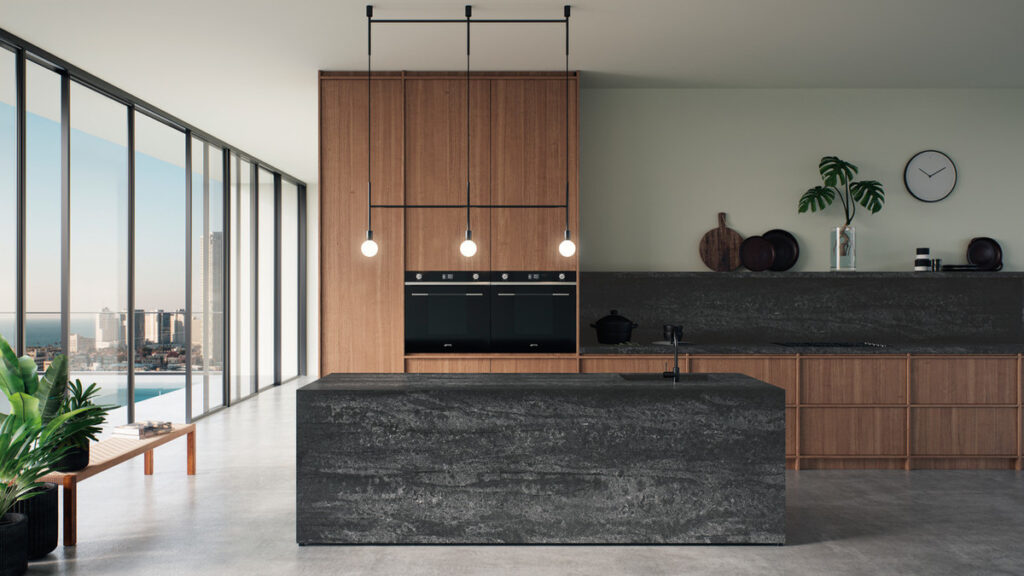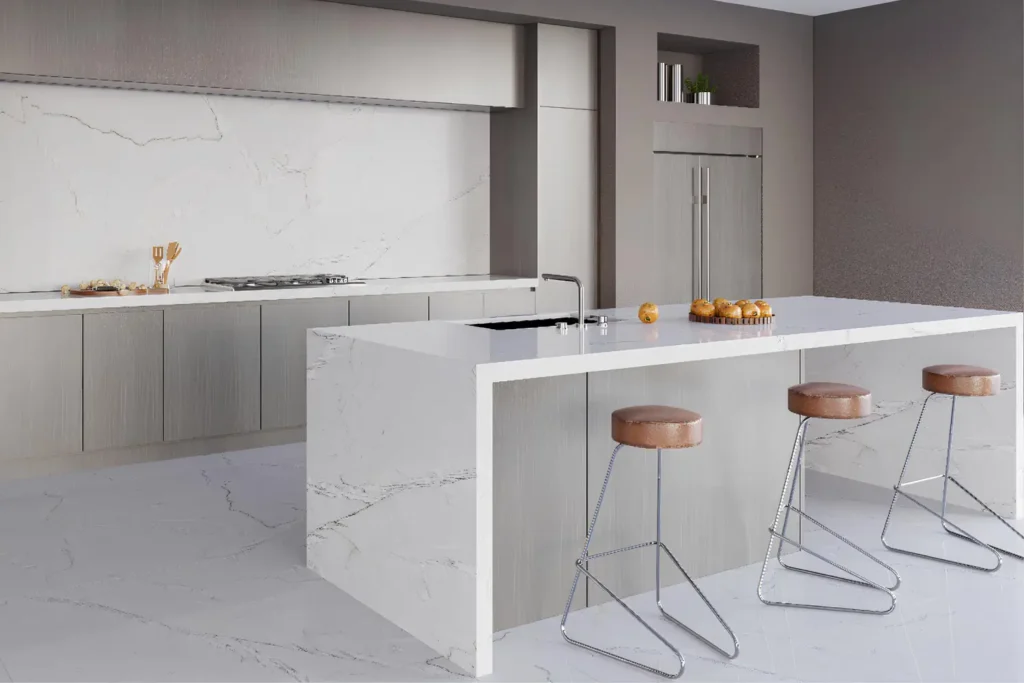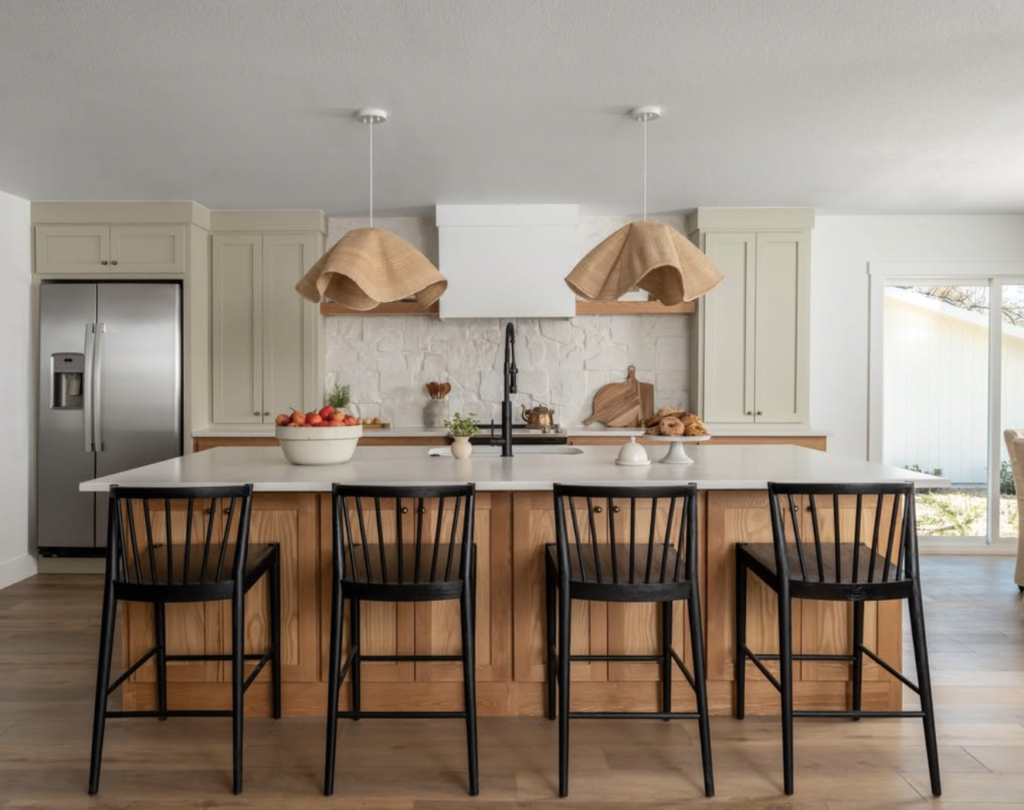
You’re standing in a showroom, surrounded by slabs of stone that all look gorgeous. Granite with golden flecks. Marble with delicate gray veins. Quartzite that shimmers like frozen lightning. Quartz in every shade imaginable.
And suddenly, choosing a countertop feels impossibly complicated.
Here’s the truth: there’s no single “best” stone for every kitchen. The right choice depends on how you cook, how you live, and what you’re willing to maintain. What works beautifully for a retired couple who entertains occasionally might be a disaster for a family with three kids and a dog.
This guide breaks down the best kitchen stones based on real-world performance, not just pretty photos. We’ll compare durability, maintenance, cost, and lifestyle fit so you can make a confident decision. No regrets. No surprises.
Before You Choose: What Actually Matters
Let’s start with some honest questions. Your answers will narrow down your options faster than any design trend.
How do you really use your kitchen? Are you the type who cooks elaborate meals three times a week, or does your oven mostly store pans? Do you drop hot pots directly on the counter, or are you meticulous about trivets?
How much maintenance will you actually do? Be honest. Sealing stone sounds simple until you forget for two years. Some materials forgive neglect. Others punish it.
What’s your budget—realistically? Stone prices range wildly. Installation adds another $40 to $100 per square foot. Knowing your number upfront saves heartache later.
Once you’ve thought through these questions, comparing materials becomes much simpler.
The Four Contenders: A Quick Overview
Most kitchen countertop decisions come down to four materials. Each brings something different to the table.
Quartz is engineered for consistency and convenience. Granite delivers natural beauty with proven durability. Quartzite offers the hardest natural surface available. Marble provides timeless elegance that nothing else can match.
Here’s how they stack up on the factors that matter most:
| Feature | Quartz (Engineered) | Granite (Natural) | Quartzite (Natural) | Marble (Natural) |
| Durability | Very High | High | Highest | Moderate |
| Maintenance | Very Low (No Sealing) | Low (Seal every 2-3 yrs) | Moderate (Seal yearly) | High (Seal every 6-12 mos) |
| Heat Resistance | No | Yes | Yes | Yes |
| Price/Sq. Ft. | $75 – $200 | $40 – $175 | $90 – $250 | $50 – $250 |
Now let’s dig deeper into each one.
Quartz: The Low-Maintenance Winner
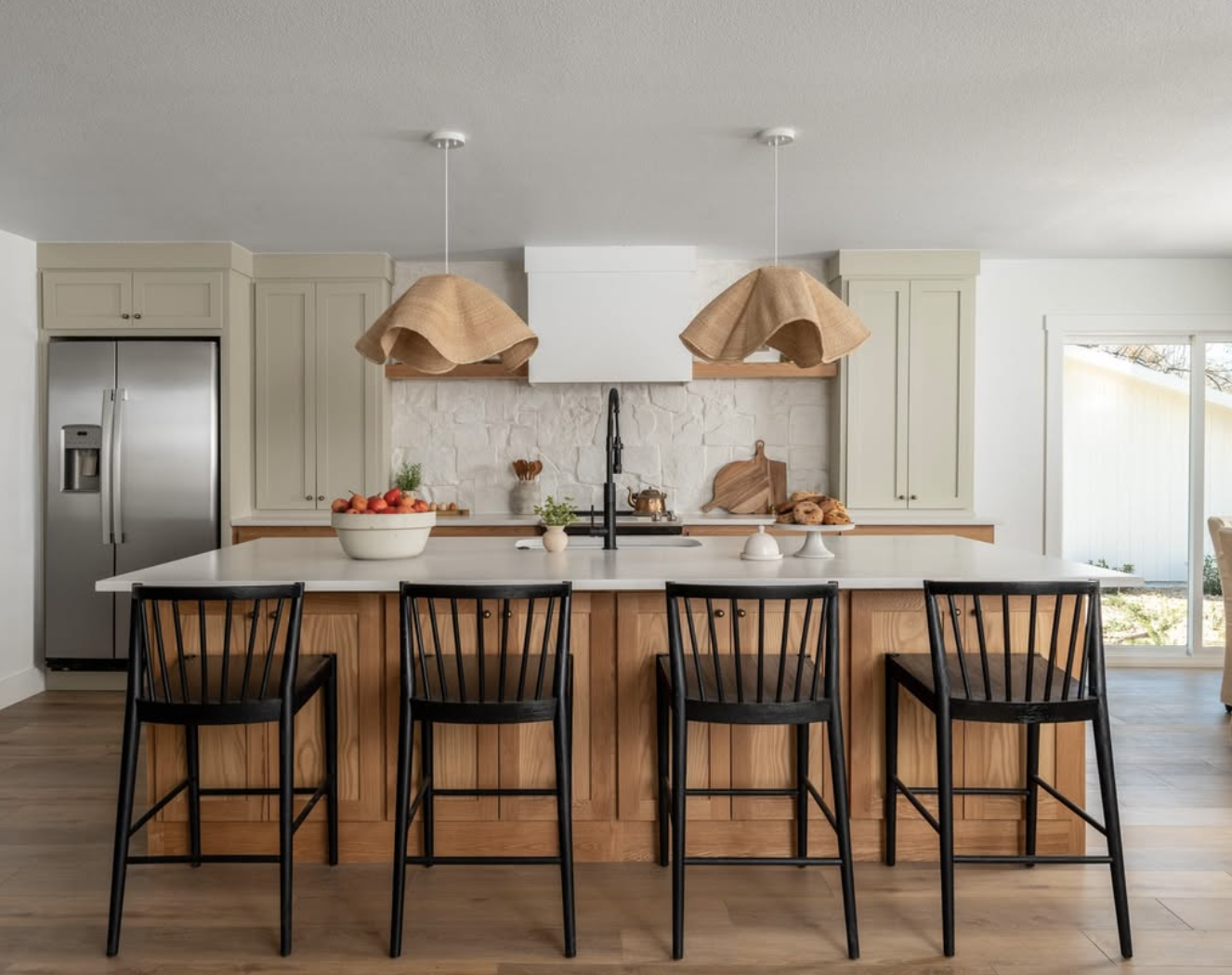
If your top priority is “set it and forget it,” quartz deserves serious consideration.
Quartz countertops are engineered surfaces—about 90% ground natural quartz bound together with resins, polymers, and pigments. This manufacturing process creates something remarkable: a completely non-porous surface that never needs sealing.
Spill red wine? Wipe it up. Forget about a coffee ring? No stain. The consistency extends to appearance too. Unlike natural stone, where every slab differs, quartz offers predictable patterns and colors. You can get solid whites, dramatic veining that mimics marble, or virtually any shade in between.
The catch? Heat. Those binding resins don’t love extreme temperatures. Put a hot pan directly on quartz, and you risk damage. Trivets aren’t optional—they’re mandatory.
Quartz also can’t handle direct sunlight over time (UV sensitivity), so it’s indoor-only. And while prices have come down, quality quartz still runs $75 to $200 per square foot.
Best for: Busy families, rental properties, anyone who values convenience over natural authenticity.
Granite: The Proven Performer
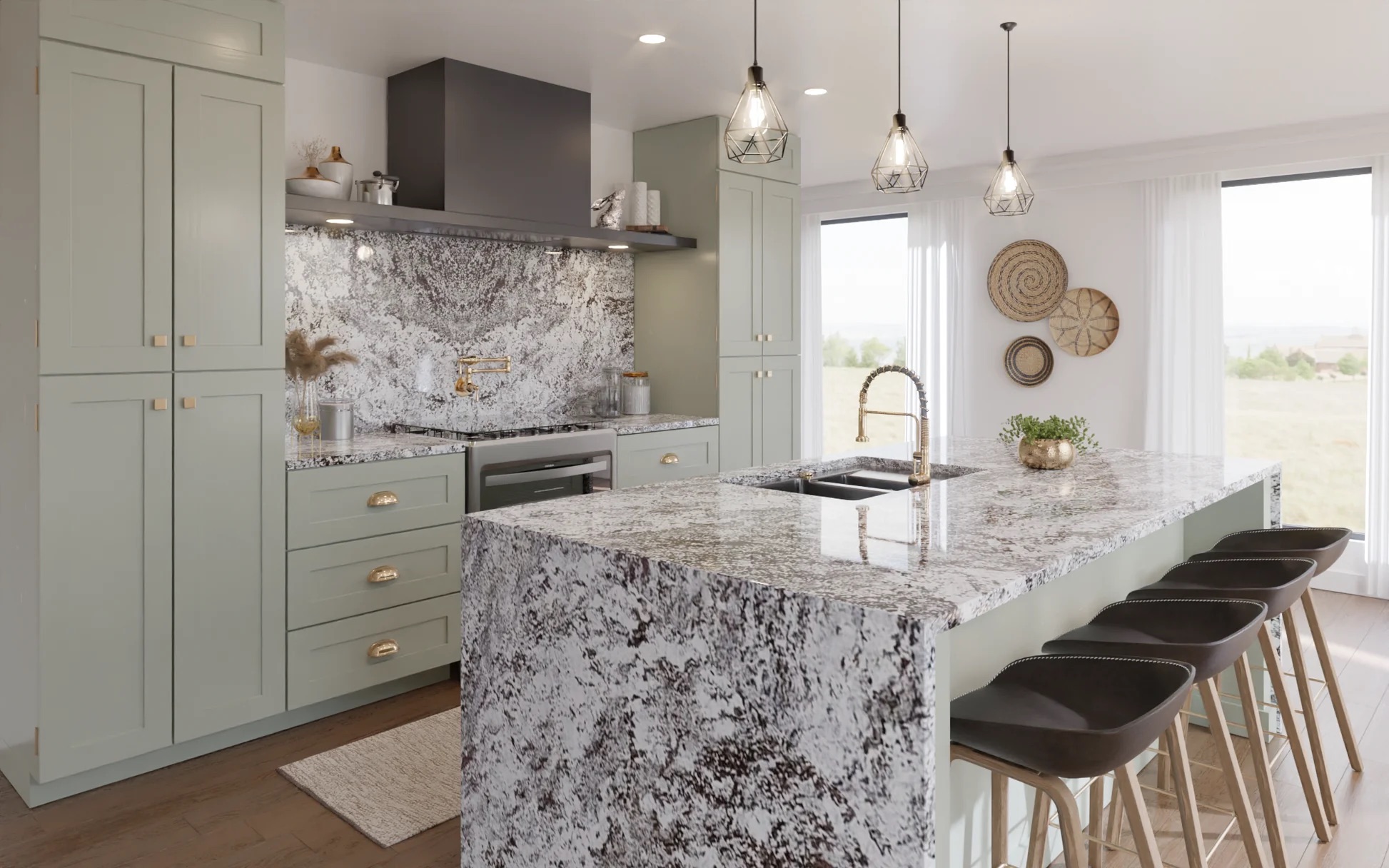
There’s a reason granite dominated kitchen design for decades. It works.
This igneous rock—formed from cooled magma over millions of years—delivers a combination of durability, beauty, and value that’s hard to beat. Every slab is genuinely unique, with granular patterns of quartz, feldspar, and mica crystals that catch light differently depending on the angle.
Granite handles heat without flinching. You can set a hot pot directly on it. It resists scratches from everyday use. And while it’s porous (requiring sealing every two to three years), the maintenance is minimal compared to softer stones.
Price-wise, granite offers the widest range. You can find beautiful slabs starting around $40 per square foot, with exotic varieties climbing to $175 or more. That flexibility makes it accessible to nearly any budget.
Industry experts consistently recommend granite as one of the best stone kitchen countertop options for families who want natural stone without excessive maintenance demands.
Best for: Active kitchens, budget-conscious renovations, anyone who wants natural character with manageable upkeep.
Quartzite: When Durability Meets Luxury
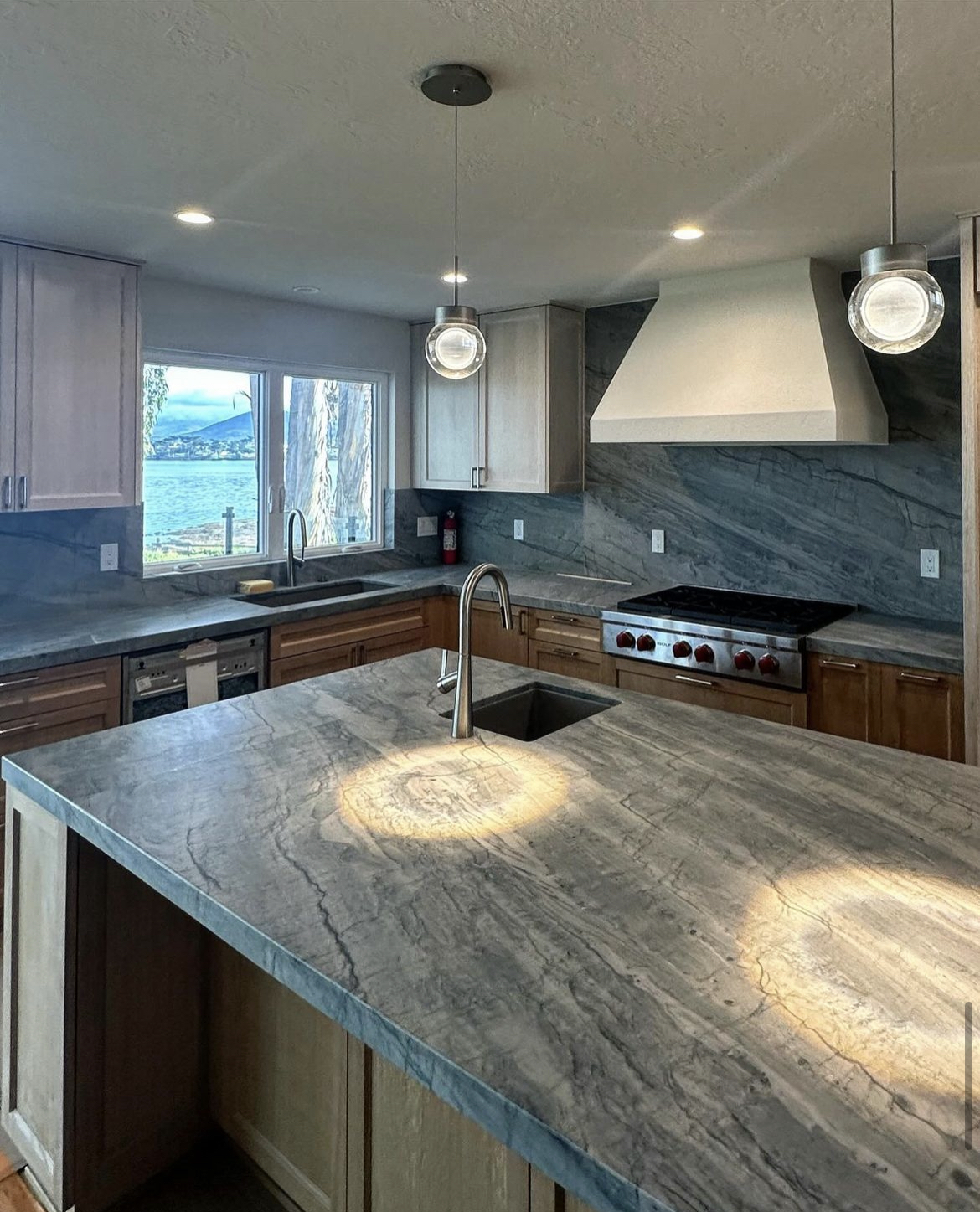
Quartzite confuses people—partly because of its name, partly because of its appearance. Let’s clear things up.
Quartzite is 100% natural stone, quarried from the earth. It forms when sandstone gets subjected to intense heat and pressure deep underground, transforming into something extraordinarily hard. On the Mohs scale of mineral hardness, quartzite scores a 7. Granite? Only 6 to 6.5.
That hardness translates to real-world benefits. Quartzite resists scratching better than almost any countertop material. It handles heat beautifully—no trivets required. And it doesn’t etch from acidic substances the way marble does.
The aesthetic often resembles marble, with dramatic veining and movement that feels sophisticated and high-end. But unlike marble, quartzite can actually handle a busy kitchen.
The trade-off? Cost and maintenance. Quartzite runs $90 to $250 per square foot, and as a porous natural stone, it needs sealing about once a year. Still, for homeowners who want marble’s look with granite-level toughness, quartzite delivers.
For a deeper understanding of this stone’s unique properties, explore these 5 essential facts about quartzite.
Best for: High-end kitchens, serious home cooks, anyone who loves marble’s aesthetic but needs superior durability.
Marble: The Beauty That Demands Commitment
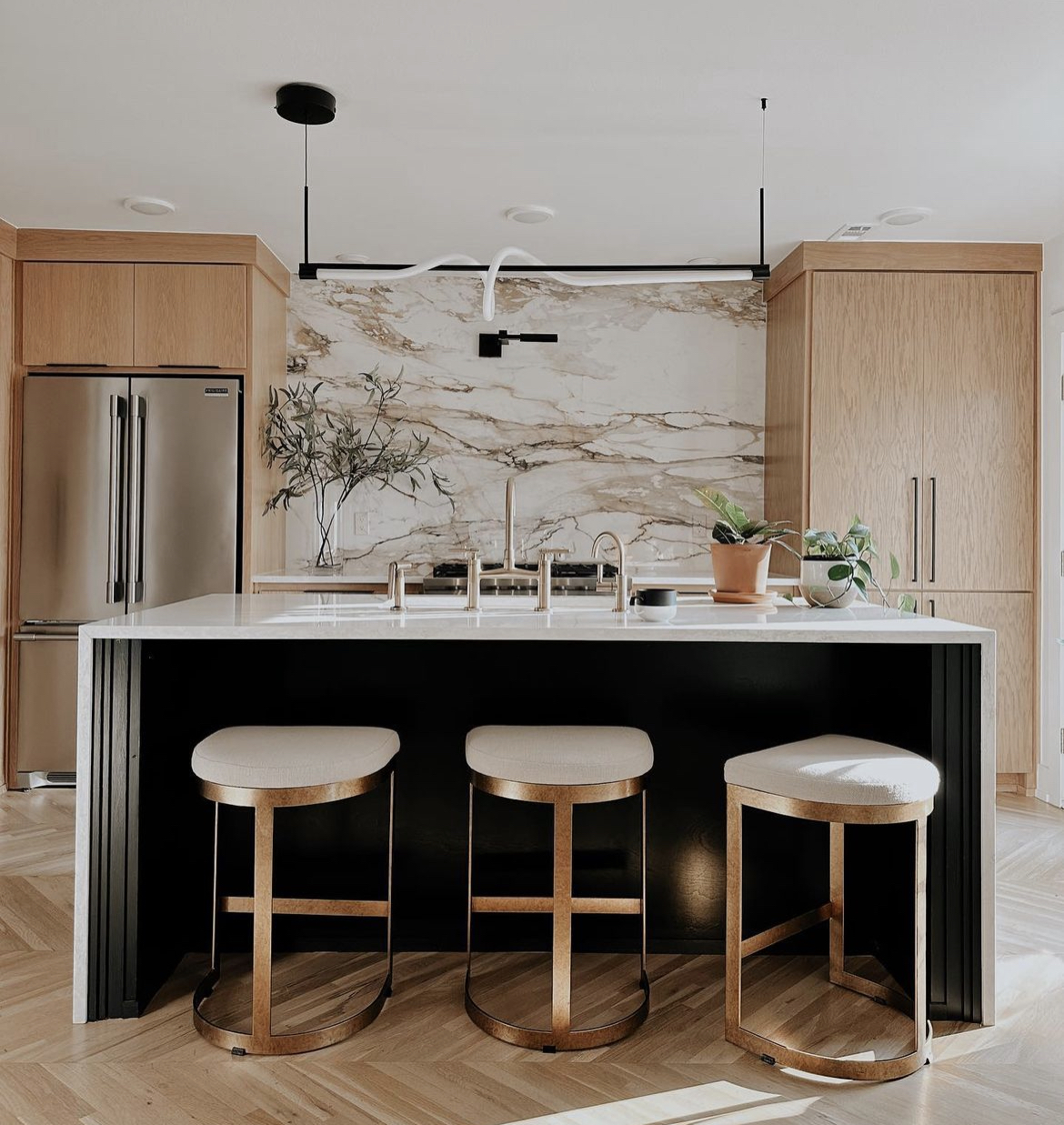
Nothing looks quite like marble. Nothing.
That soft, luminous quality. The delicate veining that seems to flow like water through the stone. The way it stays naturally cool to the touch—a feature bakers have prized for centuries when rolling out pastry dough.
Marble is limestone that’s been transformed by heat and pressure into something genuinely beautiful. It’s been a symbol of luxury since ancient Rome, and in a kitchen, it creates a focal point that photographs simply cannot capture.
But here’s the honest truth: marble requires commitment.
The stone is softer than granite or quartzite, which means it scratches more easily. More importantly, it’s composed of calcium carbonate—a mineral that reacts with acids. Lemon juice, vinegar, tomato sauce, wine… any of these can etch the surface, leaving dull marks that won’t wipe away.
Marble also stains more readily and needs sealing every six to twelve months. Some homeowners embrace the patina that develops over time. Others find it frustrating.
Popular natural stone countertop guides consistently note that marble works best in lower-traffic kitchens or for homeowners committed to careful maintenance.
Best for: Luxury kitchens, baking enthusiasts, design lovers who appreciate (or don’t mind) natural aging.
Granite vs. Marble: The Classic Debate
This comparison comes up constantly, and the answer depends entirely on your priorities.
Choose granite if: You want natural beauty with practical performance. Granite is more durable, more forgiving of neglect, and easier to maintain. For most busy family kitchens, granite has the edge regarding durability and easier maintenance.
Choose marble if: Aesthetics trump everything else. You’re willing to be careful with acids, committed to regular sealing, and you either love the idea of natural patina or will protect the surface religiously.
Cost matters here too. While both materials span a wide price range, understanding the specifics helps with budgeting. Take time to compare marble and granite costs before making your final decision.
Quartz vs. Quartzite: Clearing the Confusion
These two get mixed up constantly, which is understandable—they’re one letter apart. But they’re fundamentally different materials.
Quartz is engineered. Man-made. Manufactured in a factory from ground stone and resins.
Quartzite is natural. Quarried from the earth. Formed by geological forces over millions of years.
The practical differences matter:
Quartz is non-porous and never needs sealing. But it can’t handle heat.
Quartzite handles heat beautifully. But it’s porous and requires annual sealing.
Your choice comes down to priorities. If low maintenance wins, choose quartz. If natural authenticity and heat resistance matter more, quartzite is your stone.
Which Stone Fits Your Life?
Still deciding? Here’s a quick guide based on common lifestyles:
Busy families with kids: Quartz or granite. Both handle chaos gracefully.
Avid home cooks: Quartzite or granite. Heat and scratch resistance matter when you’re cooking seriously.
Baking enthusiasts: Marble. That naturally cool surface makes working with dough a pleasure.
Low-maintenance homeowners: Quartz. No sealing, minimal worry.
Natural beauty lovers: Granite or quartzite. Each slab is one-of-a-kind.
Luxury statement seekers: Marble or quartzite. Maximum visual impact.
Your Decision Framework
Ready to choose? Walk through these steps:
Step 1: Get honest about your lifestyle. How do you actually use your kitchen? How much maintenance will you realistically perform?
Step 2: Set a real budget. Include installation costs. Build in a cushion for upgrades or unexpected expenses.
Step 3: Define your aesthetic. Modern and minimal? Warm and traditional? Dramatic and luxurious? Your style helps narrow material choices.
Step 4: Identify your non-negotiables. What matters most—heat resistance, zero maintenance, natural character, or a specific look?
Step 5: Visit a showroom. This step is non-negotiable. Photos lie. Screens distort colors. You need to see full slabs in person, run your hand across the surface, and observe how light plays across the stone.
The Bottom Line
The best kitchen stone isn’t the most expensive one or the most popular one. It’s the one that fits your life.
Quartz delivers unmatched convenience. Granite offers proven performance at every price point. Quartzite provides luxury-level aesthetics with serious durability. Marble creates a beauty that nothing else can match—if you’re willing to care for it.
Each of these materials, chosen thoughtfully and maintained properly, will serve your kitchen for decades. The key is matching the stone to your reality, not someone else’s Instagram feed.
Ready to see these stones in person? Visit your local Pacific Shore Stones showroom to explore our collection of premium granite, marble, quartzite, and more. Our experts will help you find the perfect match for your kitchen and your life.