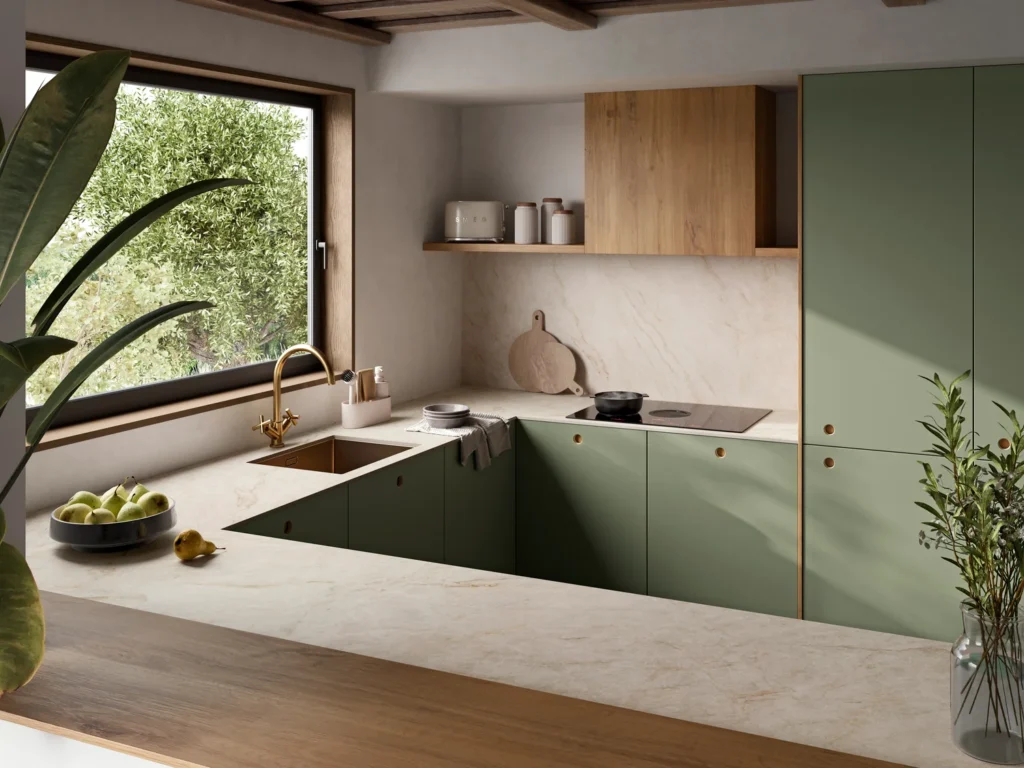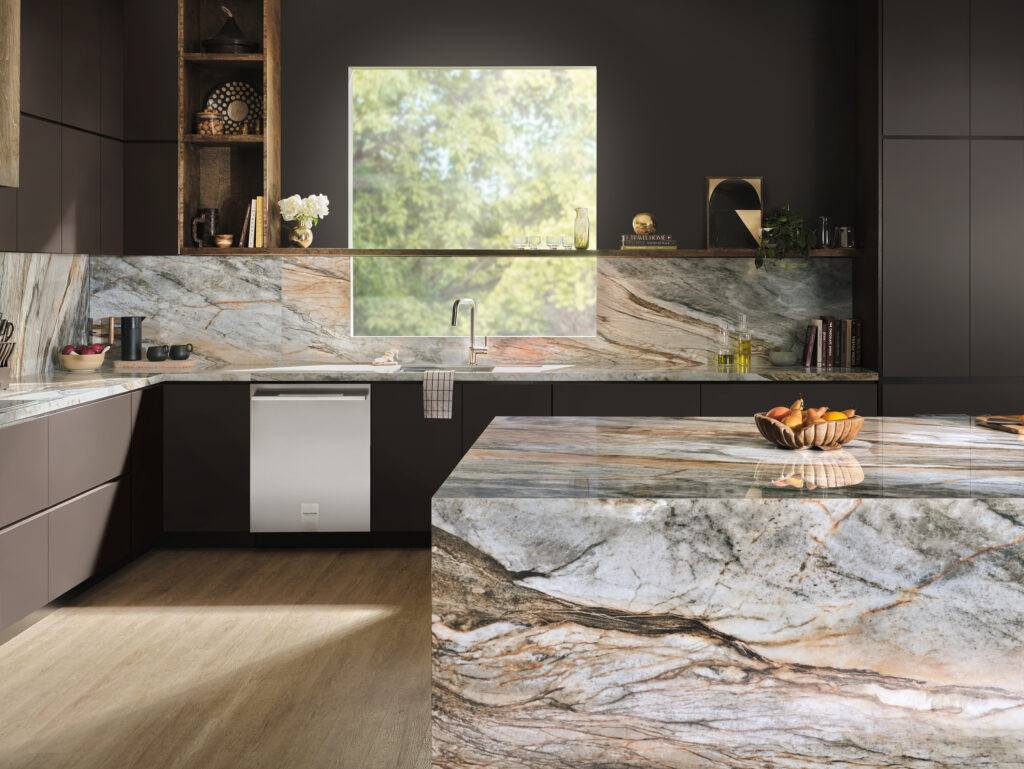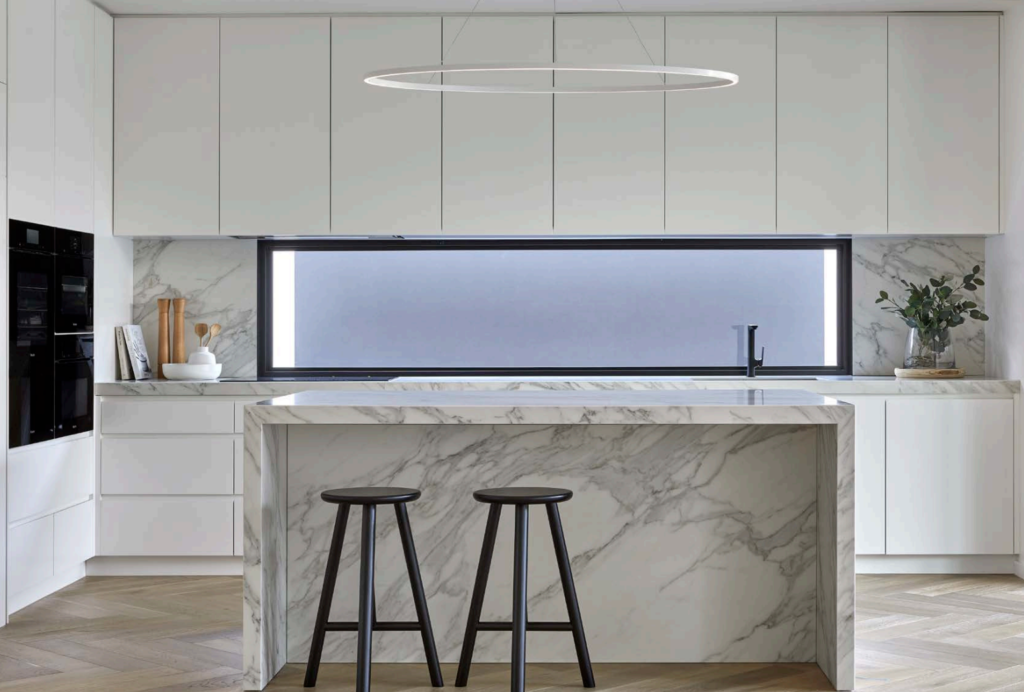
If you’ve spent any time researching premium countertop materials, you’ve probably come across Neolith, and for good reason. This Spanish-engineered sintered stone has become a favorite among architects, interior designers, and homeowners who want something that performs as good as it looks.
But is it actually worth the price tag? And how does it compare to the quartz everyone seems to default to? This guide covers everything you need to know before making a decision—from what Neolith actually is, to real costs, installation details, and where to buy it.
What Is Neolith?
Neolith is a brand of sintered stone—a surface made by compressing 100% natural raw materials (clay, feldspar, silica, and mineral oxides) under extreme heat and pressure. No resins, no synthetic binders. The result is a surface that’s essentially a large-format engineered tile, but far thinner and more versatile than traditional porcelain.
The brand itself is Spanish, and it’s the most recognized sintered stone name in the U.S. market. That matters for a few reasons: better dealer networks, more design options, and easier access to warranty support compared to lesser-known alternatives.
Why Neolith Stands Out from Other Countertop Materials
It’s genuinely heat-resistant—not just “heat-tolerant”
This is the detail that surprises most people. Neolith can withstand temperatures exceeding 1,200°C, which is the same temperature it’s manufactured at. That means setting a hot pan directly on the surface won’t cause burning, discoloration, or warping.
Quartz, by comparison, contains polymer resins that start to degrade around 300°F. You technically can put a hot pan on quartz, but you’ll regret it. With Neolith, it’s genuinely a non-issue.
It’s completely non-porous
Neolith has near-zero water absorption, which means stains from wine, coffee, olive oil, and acidic foods simply can’t penetrate the surface. It also meets food safety standards—no bacterial growth, no need for sealing, ever. If you’ve dealt with porous materials like marble or even some quartzite, this alone is a significant lifestyle upgrade.
The scratch resistance is serious
Neolith rates 7–8 on the Mohs hardness scale, putting it among the hardest countertop materials available. Typical kitchen knives, pots, and everyday utensils won’t leave marks. That said, like any hard surface, it can chip on edges if struck sharply—more on that in the installation section.
Sustainability without greenwashing
Since Neolith uses only natural materials and no synthetic resins, it has a legitimately cleaner environmental profile than quartz. The slabs are also 100% recyclable at end of life. For homeowners who care about this, it’s a real differentiator—not just marketing language.
A 25-year residential warranty
Neolith backs its 12mm and 20mm countertops with a 25-year residential warranty covering both material defects and manufacturing issues. That level of confidence from the manufacturer is meaningful, and it protects your investment if you ever need to make a claim.
Neolith vs. Quartz: Which Should You Choose?
This is the comparison that comes up in almost every countertop conversation, and the honest answer is: it depends on what you’re optimizing for.
-
Heat resistance is where Neolith clearly wins. If you cook frequently, cook with cast iron, or just don’t want to think twice before setting something down, Neolith removes that concern entirely. Quartz requires trivets—full stop.
-
Durability is essentially a tie in everyday use. Both materials resist scratching and staining effectively, and both will outlast most kitchen renovations with basic care.
-
Design options favor Neolith. With over 100 colors and patterns across polished, matte, and textured finishes, the selection is broader—and the ability to replicate natural marble, concrete, and wood with engineering-grade consistency is impressive. Quartz designs are good, but Neolith tends to look more natural.
Bottom line: Choose Neolith if heat resistance or sustainability matters to you, or if you want maximum design flexibility. Choose quartz if you’re watching the budget closely or prefer the wider availability of dealers and fabricators.
Neolith Design Collections: What’s Available
One of the things Neolith does particularly well is design breadth. The collections cover a wide range of aesthetics, and the replication of natural materials has gotten genuinely impressive.
-
Marble looks are among the most popular. Designs like Calacatta, Statuario, and Arabesque replicate the veining and warmth of natural marble while eliminating its porosity issues. If you love marble but have been scared off by maintenance requirements, these designs are worth a close look.
-
Concrete and minimalist finishes work beautifully in modern and industrial kitchens. The texture feels authentic without the structural concerns of actual poured concrete.
-
Wood-grain patterns add warmth to transitional or farmhouse-style spaces—useful when you want the feel of natural material without worrying about moisture over time.
-
Solid colors round out the lineup with whites, warm grays, deep blacks, and earth tones that work across virtually any design style.
For finish options: polished gives you a glossy, reflective surface; matte is more understated and hides fingerprints better; textured adds tactile interest and works well for flooring or outdoor applications.
If you’re planning a kitchen renovation, exploring backsplash color combinations alongside your countertop selection makes the coordination much easier.
Where Neolith Can Be Used
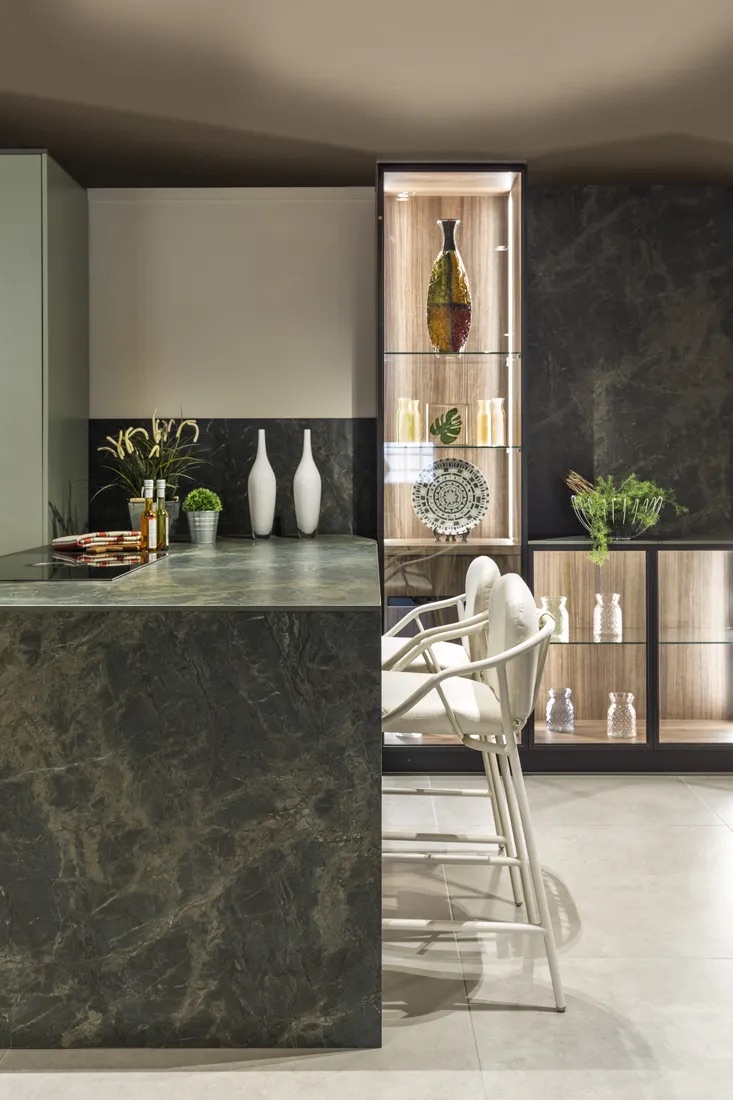
Most people think countertops first—but Neolith’s performance characteristics open it up to a much wider range of applications.
-
Kitchen countertops are the obvious entry point, and where Neolith shines most. The heat resistance, non-porosity, and design options make it purpose-built for this environment.
-
Bathroom vanities benefit from the same non-porous properties. No mold, no water damage, no need to baby the surface around the sink.
-
Flooring is a less common but genuinely excellent application. Neolith’s hardness handles high-traffic areas well, and its compatibility with radiant heating systems makes it practical in colder climates.
-
Wall cladding and backsplashes let you extend the material from the countertop up the wall for a seamless, high-end look. The large slab format minimizes grout lines compared to traditional tile.
-
Outdoor kitchens and patios are where Neolith has a real advantage over most engineered surfaces. It handles UV exposure, freeze-thaw cycles, and weather without degrading—something quartz simply can’t do.
Neolith’s Sustainability
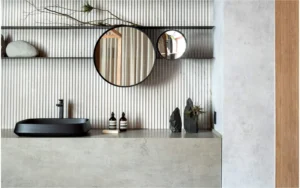
Neolith’s sustainability claims hold up to scrutiny better than most. The material is made entirely from natural raw materials with no synthetic resins or plastics. The slabs are fully recyclable at end of life—not just “theoretically recyclable,” but actually accepted for recycling.
The manufacturing process is energy-intensive, as any high-temperature sintering process is. But Neolith has invested in efficiency improvements and waste reduction at the production level. Compared to engineered quartz—which binds natural stone with petroleum-derived resins—Neolith’s material composition is cleaner.
For homeowners who have been told sustainable materials mean compromise on performance, Neolith is a good counter-example.
To understand more about how sintered stone fits into the broader material landscape, this overview of sintered stone is a useful starting point.
Where to Buy Neolith Countertops
Go through an authorized dealer. Neolith sells exclusively through authorized retailers and fabricators, and for good reason—the warranty and quality control both depend on proper handling through the supply chain. Buying through an unauthorized channel risks voiding your warranty and getting a product that wasn’t stored or handled correctly.
Pacific Shore Stones is an authorized Neolith partner.
Visit a showroom if you can. Photos don’t do Neolith justice. The surface quality, weight, and finish texture need to be seen and felt in person before committing to a design. Showroom consultants can also help you coordinate the countertop with other design elements, kitchen layouts, cabinet colors, and complementary materials all influence which Neolith design will read best in your space.
Contact Pacific Shore Stones directly if you have questions about current Neolith availability, pricing in your area, or want to schedule a consultation.